

October 26, 2026
The Art of Keeping Players: Why Anticipation Beats Endless Content
Tom Stone, Team Lead
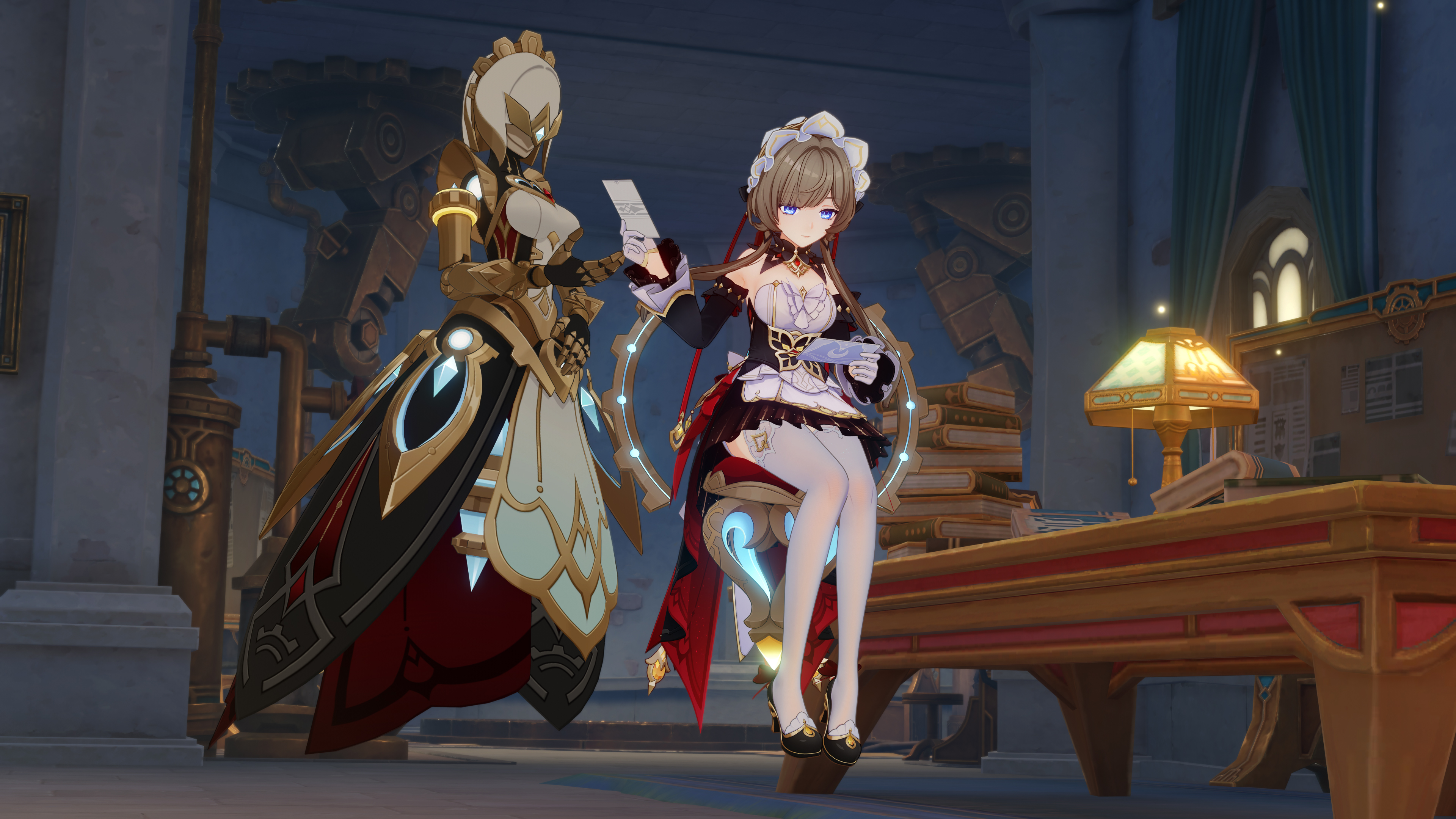
In an increasingly crowded live-service market, retaining players is becoming more valuable than simply acquiring them. But keeping audiences engaged requires more than a constant stream of new content.
See more: Insights
Research from Ampere Analysis suggests that up to 60% of live-service players lapse within three months. For developers, the challenge is no longer simply attracting players, but giving them compelling reasons to stay.
Few games demonstrate this better than HoYoverse's Genshin Impact.

Launched in 2020, Genshin remains a commercial powerhouse, generating a reported $50.2 million in mobile revenue in September 2026 alone. Its success illustrates an important distinction: player engagement isn't necessarily driven by the volume of content, but by the emotional investment that content creates.
HoYoverse has mastered the art of anticipation. Through carefully timed revelations, cinematic trailers, hidden lore and community engagement, it transforms storytelling into an ongoing conversation between developer and player.
Consider Rhinedottir, a mysterious character first referenced in December 2020. For years, players encountered fragments of her story without ever seeing her. Each new clue fuelled speculation across forums, social media and streaming communities. When HoYoverse finally revealed her appearance in a July 2025 trailer, the moment generated millions of views and enormous community engagement.
Rather than relying on constant novelty, Genshin makes its content cumulative. Every revelation adds meaning to what came before, rewarding players for their long-term investment in its world.
See also: Bastion America

This contrasts with the increasingly common reliance on external collaborations to stimulate engagement. While crossovers can deliver impressive short-term results, Genshin has largely built its appeal around its own intellectual property, characters and evolving narrative.
Crucially, HoYoverse also understands that retention is about relationships. From celebrating award nominations with in-game rewards to offering personalised annual player summaries, it makes its community feel part of the game's success.
Return to Homepage
It also demonstrates a willingness to listen. Following backlash over changes to a character in 2024, HoYoverse reversed its decision and compensated players, reinforcing the importance of responsiveness and trust.
The lesson for live-service developers is clear. Retention isn't simply a content production challenge. It's a relationship-building challenge.
In an industry increasingly competing for players' time and attention, the winners won't necessarily be those releasing the most content. They'll be those creating worlds, characters and communities that players genuinely care about returning to.
Sometimes, the most powerful update is the one players have been waiting years to experience.
Follow Bastion on LinkedIn or subscribe to our Weekly News Digest.






















































© 2024 Bastion. All rights reserved. Privacy Policy
north