

July 27, 2026
Bracing for Impact: When companies are about to make a difficult decision
Brett Phipps, Insights and Marketing Lead

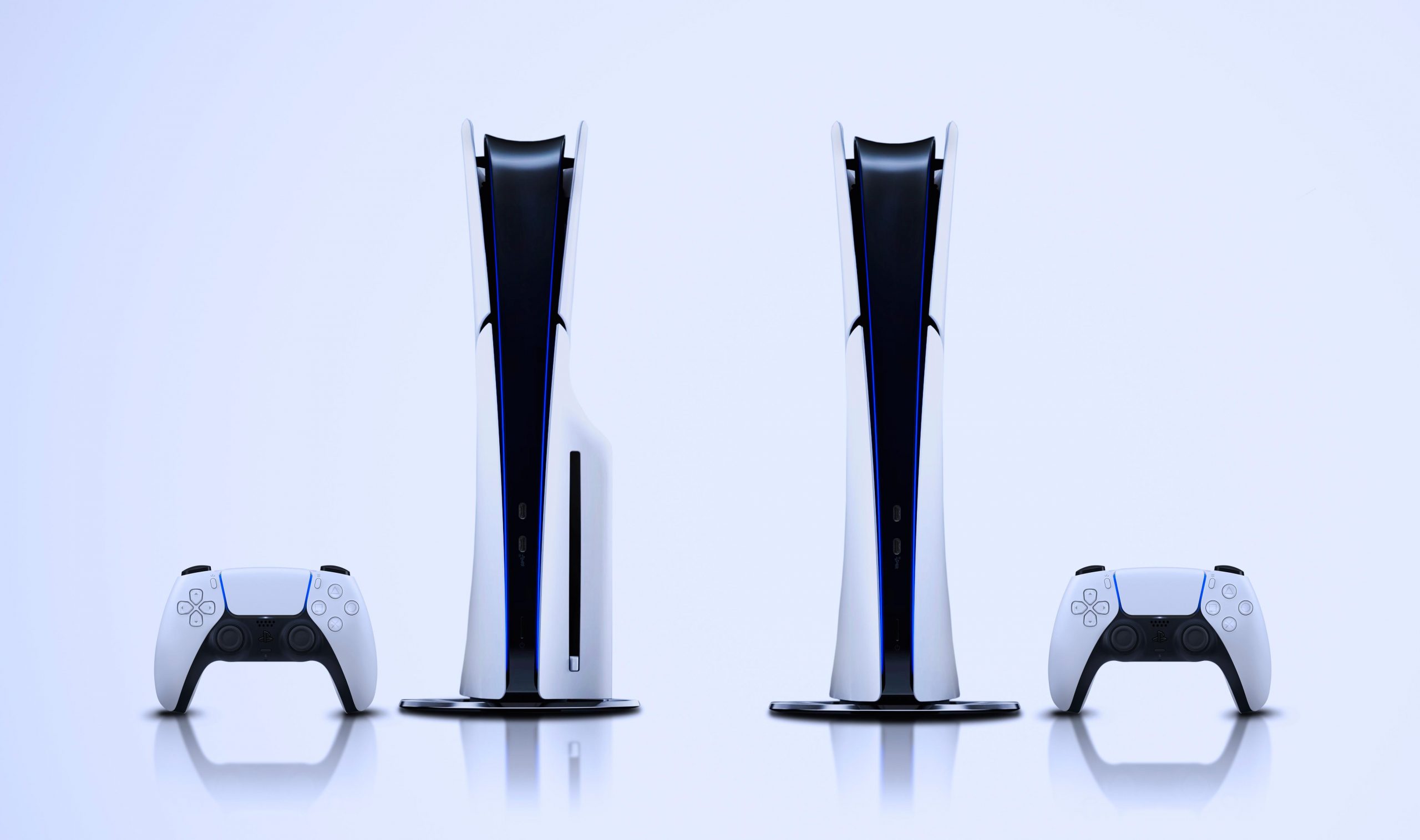
Sony’s decision to cease production of physical discs for PlayStation first party games as of January 2028 led to ferocious backlash among parts of its fanbase. A “Don’t Kill the Disc” petition on Change.org has gained 337,709 signatures at the time of writing, while The Game Business reports that trade body ERA condemned the move as a “triumph of corporate convenience over consumer choice”.
Back to Insights
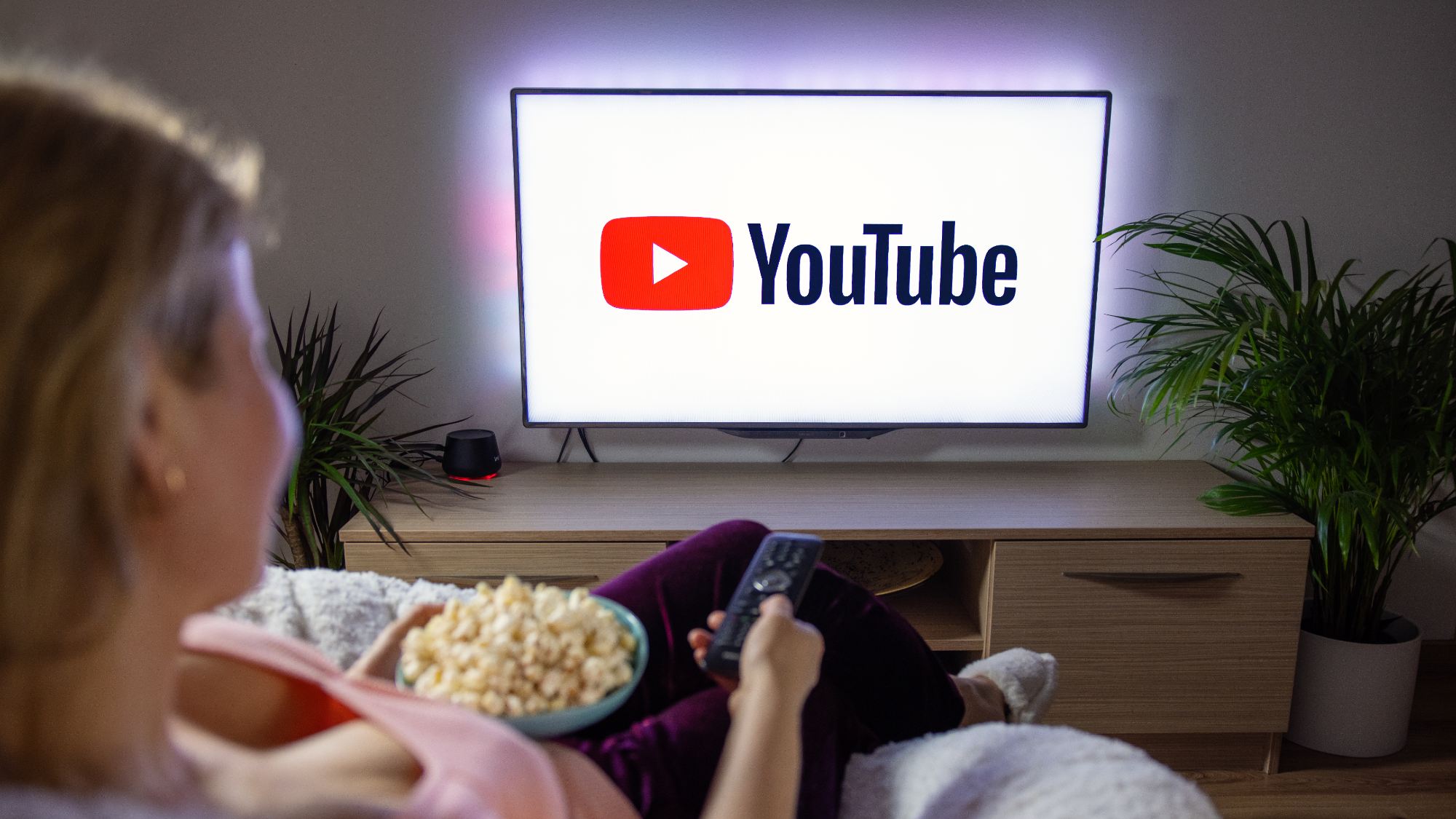
News such as this can also have a knock-on effect on unrelated marketing campaigns. PlayStation’s first social post following the news, uploaded a full week later, was flooded with negative comments. YouTube trailers for upcoming videogames, including Marvel’s Wolverine, have also seen comment sections flooded with negative comments about the decision.
While the noise has been loud, it is unlikely to have caught PlayStation by surprise. Companies often anticipate the response well in advance, as content creator and video game writer Alanah Pearce discusses in her latest video:
“People working at PlayStation first-party studios told me that Sony had the strictest social media guidelines for this particular thing that they’ve ever seen issued.”
Pearce goes on to note that she has also had to adhere to similar restrictions whilst working on the upcoming God of War Laufey. “I was under a lot of guidelines when I was working on God of War: Laufey. I still am, and they did send me guidelines regarding what I could say on the day that the game was announced.”
The data is also on PlayStation’s side. Ukie reports that boxed game sales in the UK totaled £319m in 2025, a 1% year-on-year fall. The more significant decline came in 2024, where sales of £322m were a drastic 34% year-on-year fall. Boxed games make up just 5.3% of all software sales in the market in 2025, which is expected to fall to 4.6% by the end of 2027.
Most recently, Mat Piscatella of Circana has revealed that just seven PS5 titles have sold over 100,000 physical units this year, further highlighting the decline of the medium. So while the negativity is loud, the actions speak louder.
This, however, does not negate the concerns of individuals disappointed with the news. There will be many who see physical games as a representation of ownership, a means of preservation and a means of choice. Those concerns are valid. The issue is that the volume of people in this camp has dwindled with each passing year.
Subscribe to the Bastion Weekly News Digest
.png)
While it may be uncomfortable in the short-term, making decisions you believe in, based on the data you have available, and the feedback you receive, is the most important part of leading a business.
Effective business leaders know social sentiment isn’t always a direct indicator of consumer behaviour. Plans should be built for the long-term and stay true to that vision, through periods of disruption. Preparation for the backlash - through communications pauses, support plans and PR strategies - means the avoidance of unexpected outcomes and knee-jerk reactions.
Know when to use the volume of opinion, and the weight of it. Data informs your strategy, while feedback should help decide how you choose to execute those plans.
PlayStation has taken some knocks following its announcement, but the data shows it is unlikely to change course, despite the negativity it has seen in social spaces.
FAQ: How long should I plan for a successful marketing campaign?
The time to successfully market a video game depends on so many factors that it becomes an impossible question to answer. To build a vibrant community around a game takes months, if not years, of concerted effort and dedication from a community team to create positive and welcoming spaces on social and Discord to ensure players not only find your game, but stay with it.
Generating mass awareness can be done almost instantly, provided you have significant budgets, but this can also be fleeting. Bastion specialises in building meaningful connections between players and your game. Agencies can create attention, but Bastion ensures that we hold a player’s attention, generating advocacy and loyalty with our players.
Back to Homepage
Follow Bastion on LinkedIn or subscribe to our Weekly News Digest.





















.webp)
.webp)
.webp)
.webp)


.webp)
.webp)
.webp)
.webp)
.webp)









© 2024 Bastion. All rights reserved. Privacy Policy
north