

October 6, 2026
How The Witcher 3: Remastered generated over $2 million from a free update
Brett Phipps, Insights & Marketing Lead
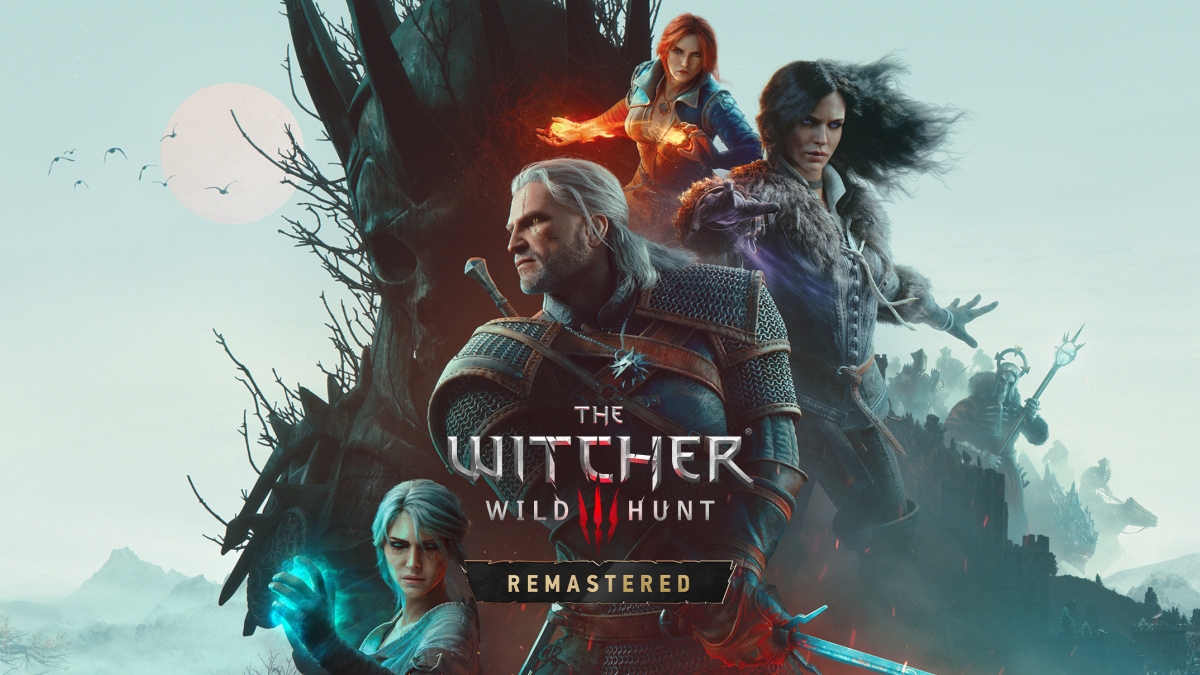
The Witcher 3 first launched in May 2015, and since then had sold 25.8 million copies as of July 2026. Daily active users on Steam consistently sit at around ~200k in the year, with significant sales spikes during each discount season. So the launch of a Remaster, as a free update to existing users, presents an interesting question: Can re-engaging an existing audience become an acquisition strategy in its own right?
Few gaming IPs can boast the cultural cache of The Witcher. Sitting in the upper echelons alongside the likes of Grand Theft Auto, Mario and Minecraft, the task for CD Projekt Red wasn’t to make players aware of the game. Instead, it was making the game relevant again ahead of its impending DLC launch in 2027 and sequel in 2028.
Back to Insights
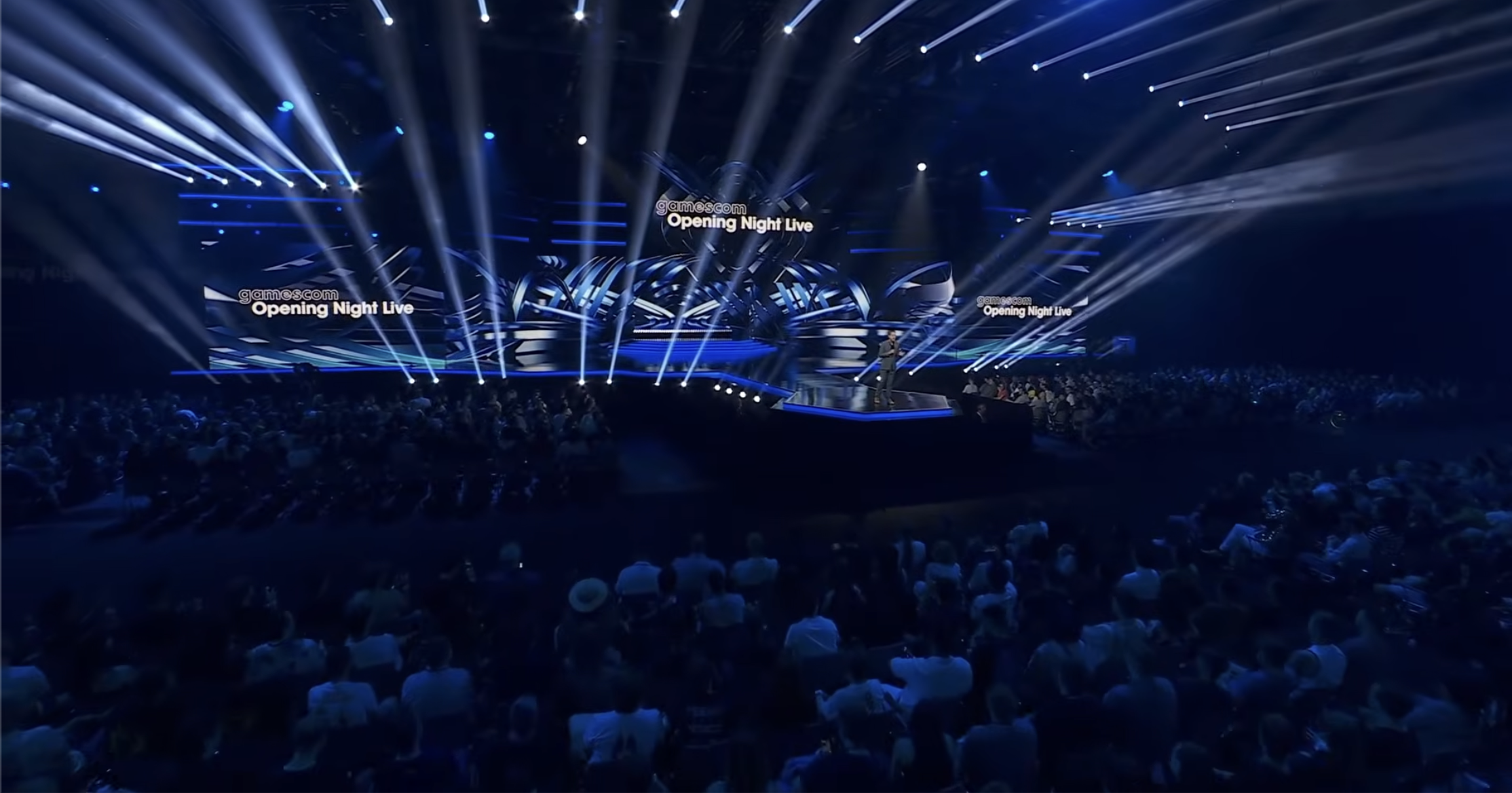
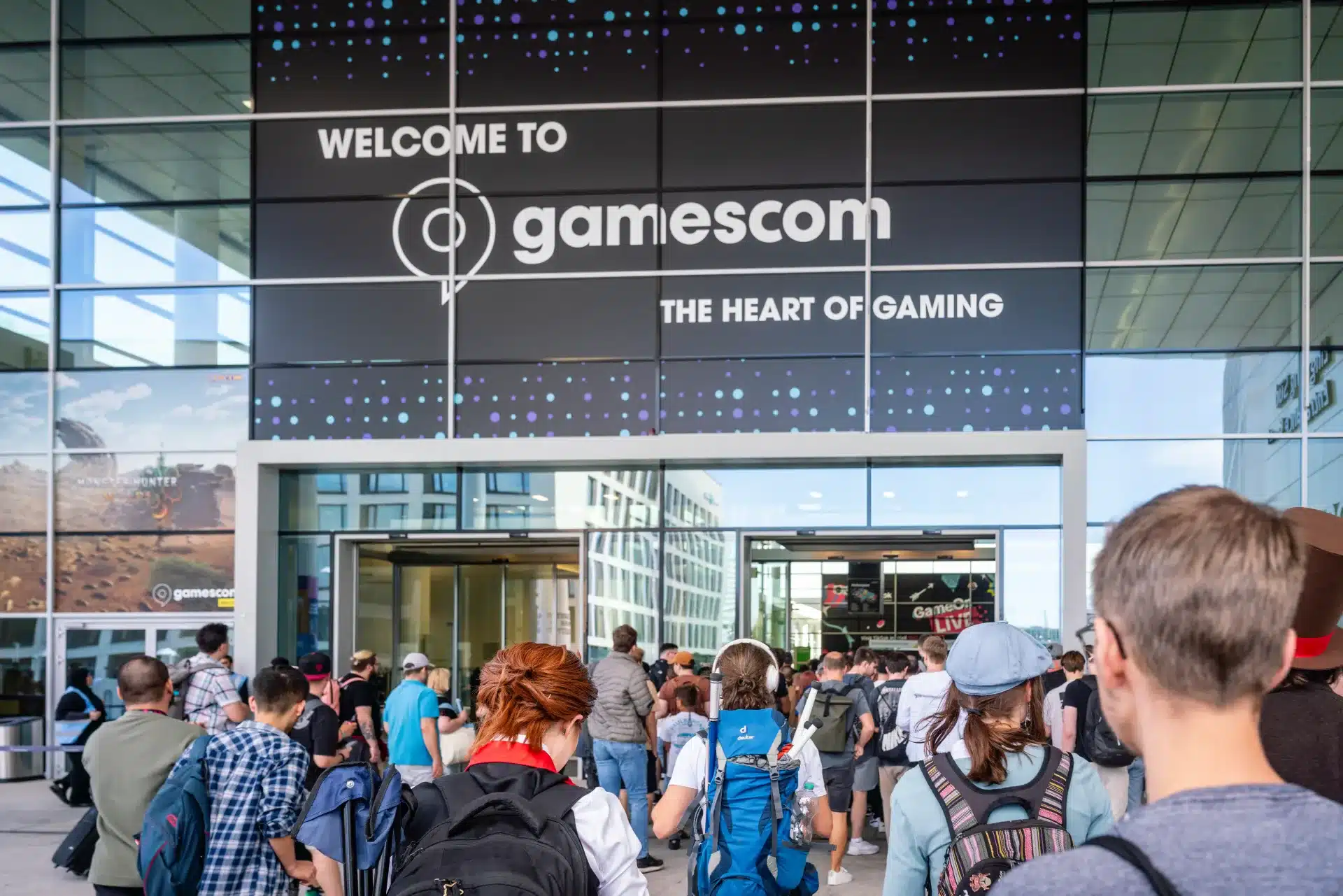
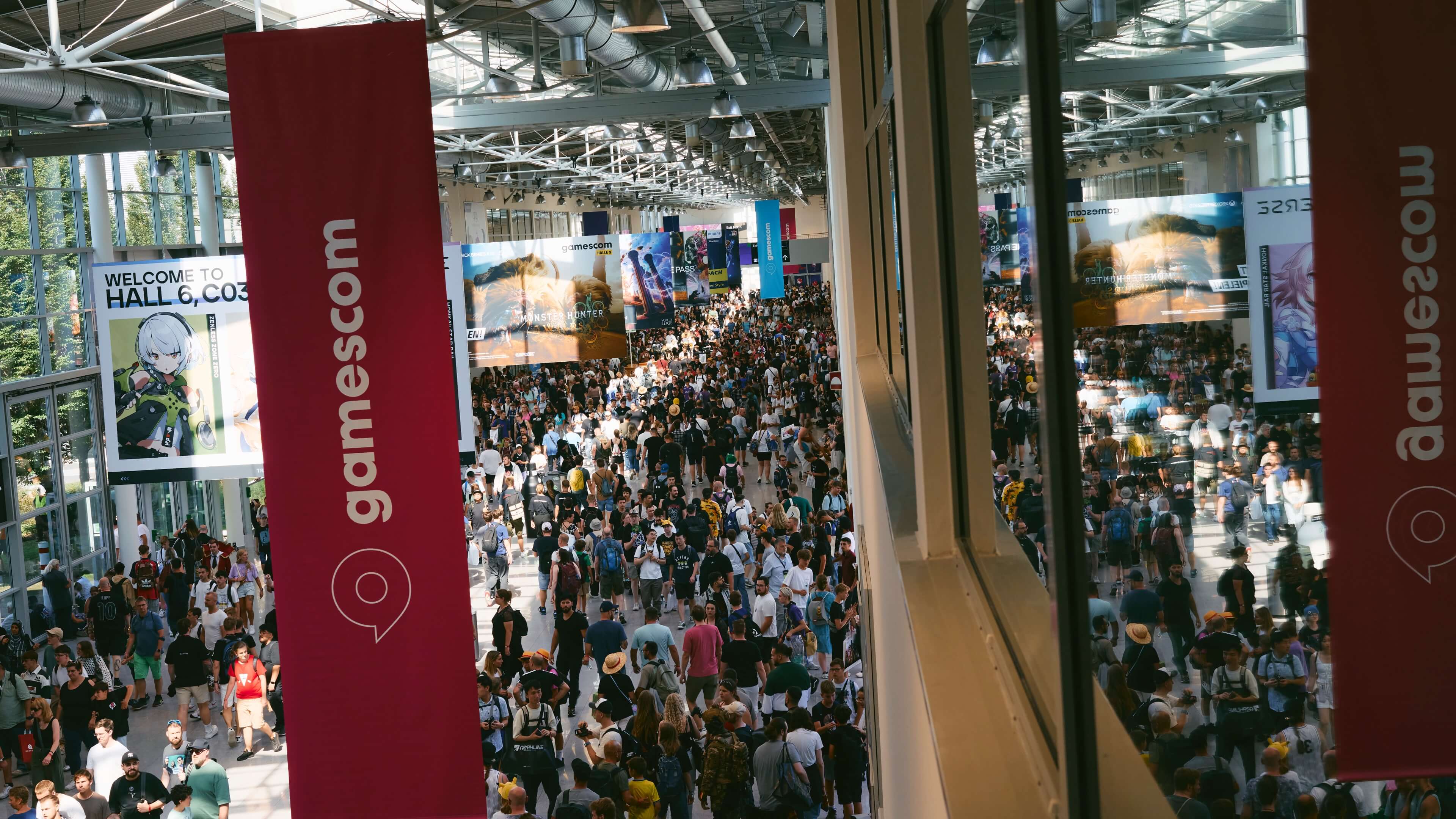
After closing gamescom’s Opening Night Live 2026 with an incredibly impressive reveal trailer showcasing the scale of graphical improvements and gameplay optimisation, we see a significant uplift in conversation.
Google Trends shows a 637% increase in search traffic worldwide. GameDiscover shows an equally significant uplift in viewership, with the number of hours watched leaping 212.28% from the day prior to reveal.
For CDPR success isn’t simply measured in awareness - the majority of gamers know what The Witcher is - but in making an 11-year-old game relevant again. GameDiscover sales data on Steam shows a seemingly-significant 135% increase in sales, but this is only 705 units sold (up from 300). This number modestly increases over the subsequent days, peaking at 1,254 units sold, but then dips back to ~400 copies sold per day from 1 September.
See also: Case Studies
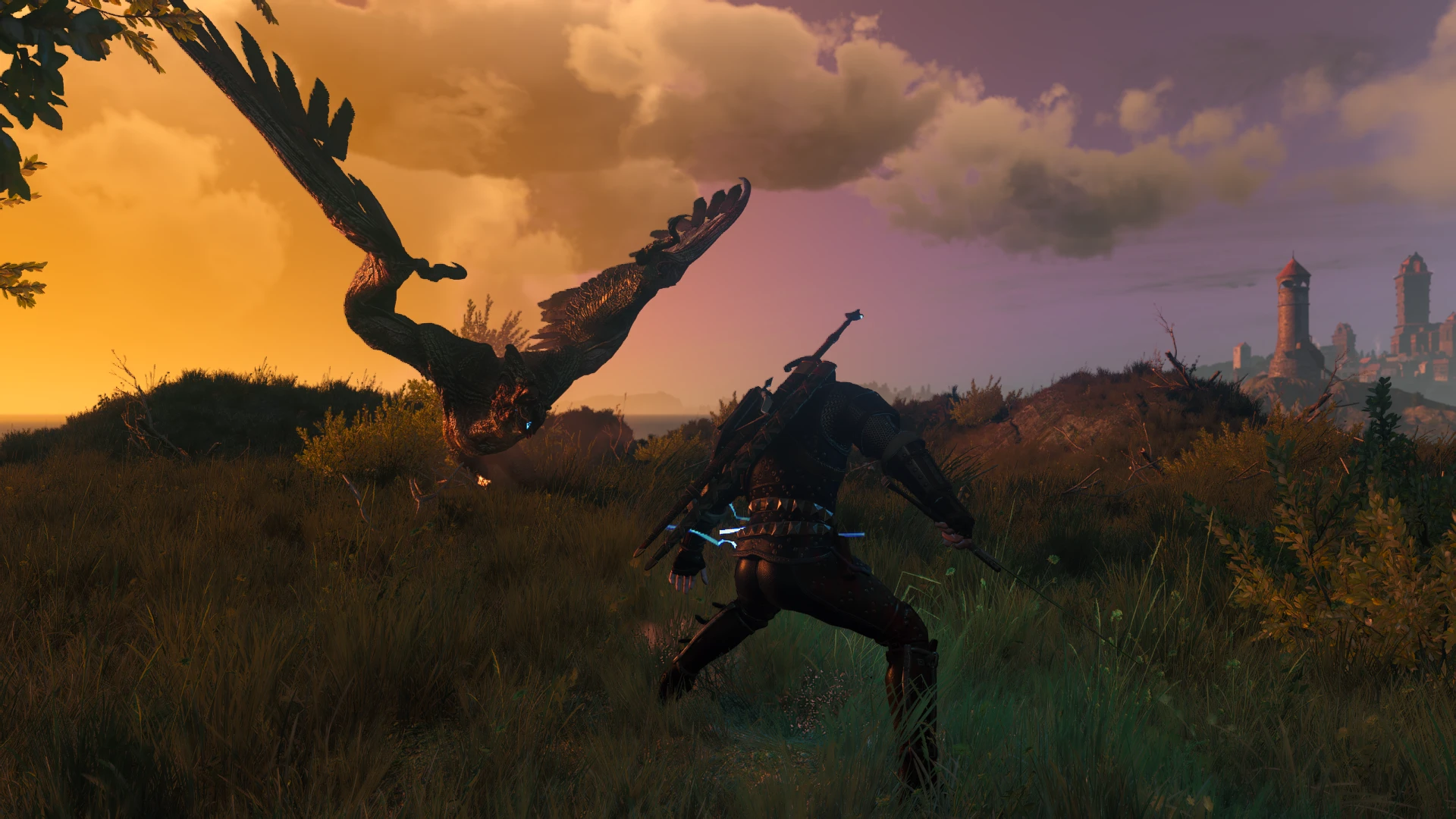
However, as we shift to launch week, we see social conversation and conversion spike, as the curious audience begins to convert.
Google Trends show another 300% increase in search traffic compared to the week prior to launch. More significantly, Twitch viewership catapulted 1963% on launch day, with the number of channels broadcasting the game up 657%.
GameDiscover also shows the sheer leap in daily-active users. Players returned in their droves, with a 556.8% increase to over one million players on Steam, a massive 77.67% increase on its previous peak back in December 2024. The free update succeeded in bringing back existing owners, as shown by the dramatic increase in DAU on Steam. But more interestingly, is the game’s commercial performance in the past month.
Learn more: Bastion America
Week-on-week sales jump 1,120% in launch week (56,397 copies sold from 25 September to 1 October). But for a game that has frequently been on sale for as little as $4, the question many would ask at arm’s length is why this number matters. It matters because of how CD Projekt Red capitalised on demand.
.png)
On the day of The Witcher 3 Remastered’s announce, the price on Steam (in the US) increased 25% to $49.99, according to SteamDB, its highest price point since January 2016, less than a year after its initial launch. On the day the Remaster was made available to players, the price then dropped to $24.99 in a spotlight sale. Still significantly higher than its frequent lows in yearly Steam sale seasons.
Overlaying GameDiscover’s sales data with SteamDB’s price tracking means that, from the point of the game’s price increase to launch, The Witcher 3 sold 16,695 copies. The game then sells an additional 70,634 copies from its launch day to 1 October. Multiplying these two figures by their US price points, that means that the Remaster helped generate an approximate $2.6 million in revenue. Of course, not all sales were made in the US, but this is a representative figure for just how successful the launch has been.
The most notable thing about this sales data is that it isn’t driven by deep discounts. GameDiscover shows sharp increases in copies sold each year for The Witcher 3, but they coincide with some of the steepest discounts. During the 2026 Summer Sale, the game was available for just $3.99 on Steam. Yet CDPR generated significant enough demand that players were willing to pay a premium for access.
CDPR has demonstrated the commercial value of reactivation. When marketing efforts continue to seek the next player, or a new audience as-yet-untapped, The Witcher 3 has driven meaningful commercial value and an alternative route for growth.
With reports from Newzoo and others forecasting slowing player growth in the coming years, and the need for deeper monetisation of established audiences, we’ve now seen an example of just that, and how to make players care again.
Back to Homepage
Follow Bastion on LinkedIn or subscribe to our Weekly News Digest.





























.webp)
.webp)
.webp)
.webp)




.webp)
.webp)
.webp)

.webp)
.webp)












© 2024 Bastion. All rights reserved. Privacy Policy
north