

May 11, 2026
AI is here to stay, but where does it belong?
by Brett Phipps, Insights and Marketing Lead
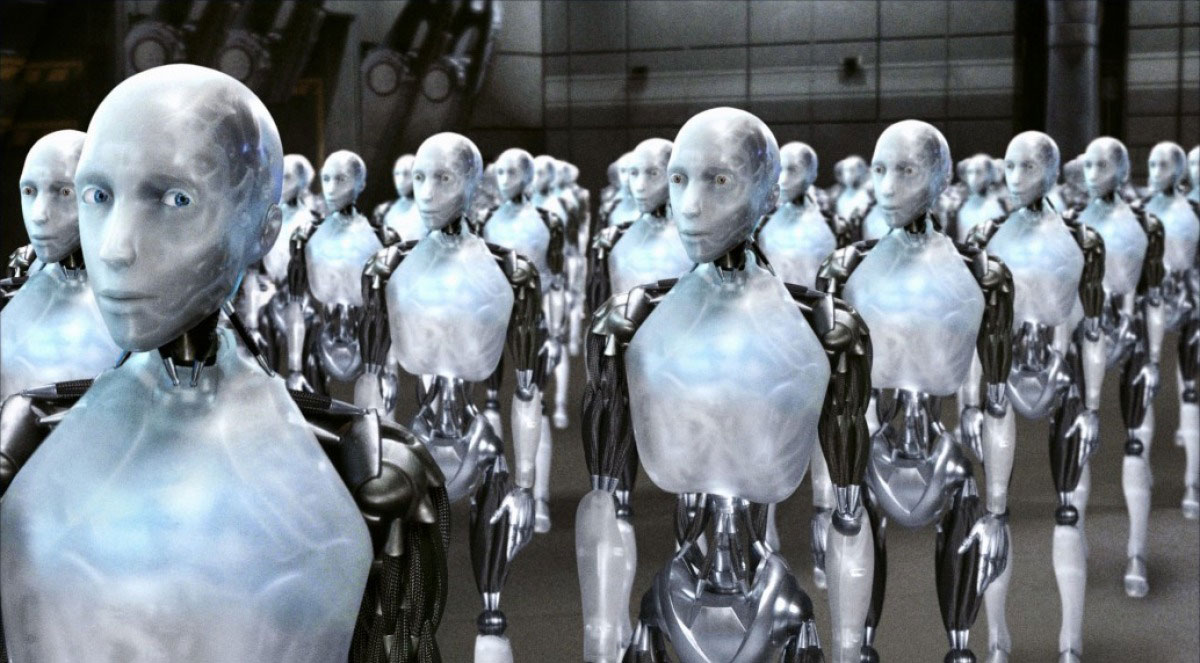
“CDs? They’ll never beat good ol’ vinyl”. “What do you mean all your music is on that iSong thing? What’s wrong with CDs?”. “Nope, I’m not paying a subscription for music, I’m sticking to my iPod, consider me retro.”
AI feels like the latest technology whose adoption is inevitable. Its ubiquity is practically already here, but unlike many other advancements in technology, the level of debate surrounding AI is unique.
Energy consumption, plagiarism, humanity and morality are all questions magnified by AI, but that hasn’t slowed its rate of adoption across many industries. The games industry is no different, with many publishers and studios considering it essential.
“We are making great strides in applying Gen AI to high‑value use cases that bring tangible benefits to our players and teams. It’s as big a revolution for our industry as the shift to 3D,” Ubisoft CEO Yves Guillemot stated during an investor call in November last year, and he’s not the only one. Square Enix’s 2025 business report shows the company’s intent to “automate 70% of QA and debugging tasks in game development by the end of 2027”, through a partnership with the Matsuo-Iwasawa Laboratory at the University of Tokyo.

A more recent example is Nvidia’s DLSS 5 technology, described as “the GPT moment for graphics” by CEO Jensen Huang. However, the excitement felt in C-suite board meetings wasn’t echoed by its intended users (and buyers).
In the rush to adopt new technologies, one thing tends to get lost: people. Musicians saw diminishing returns with every innovation in the distribution of their songs. Record sales became non-existent as a money-maker, making it incredibly hard for non-touring artists to forge a career. In gaming, it’s the teams creating games that are suddenly at risk of being replaced by AI.
But in the quagmire of change comes strong resistance; from employees, players, and most recently, leaders.
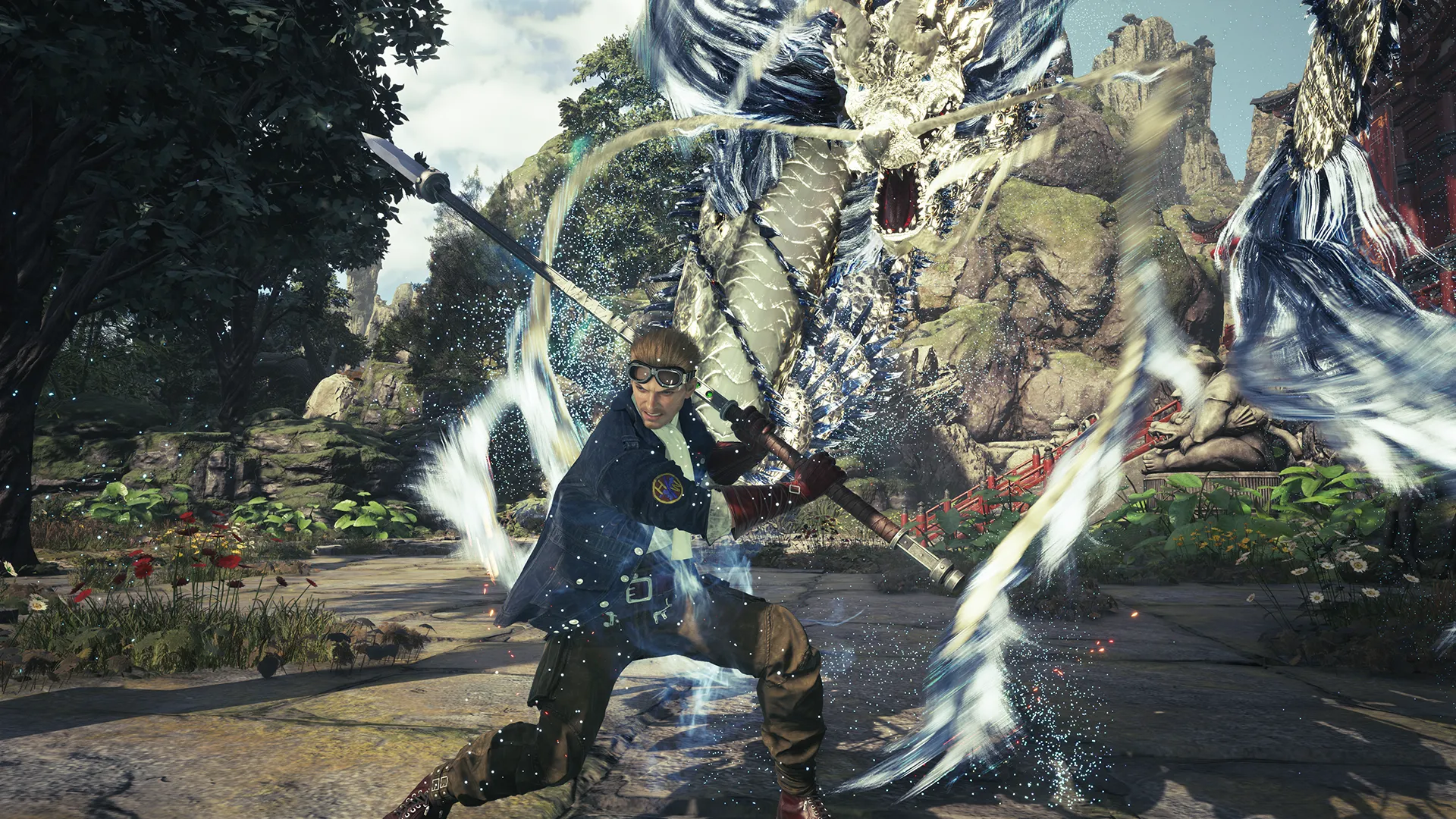
The memes that followed DLSS 5’s unveiling were as funny as they were a derailment in Nvidia’s ambitions. The “yassification” of video game characters was roundly mocked by players, who saw the change as a reduction of the artist’s original intent, but Nvidia has stood firm in its belief in the technology. Capcom’s pleasure at the community response to the technology - a tacit appreciation for the character’s original design - shows the current tension between artistic integrity and AI authorship.
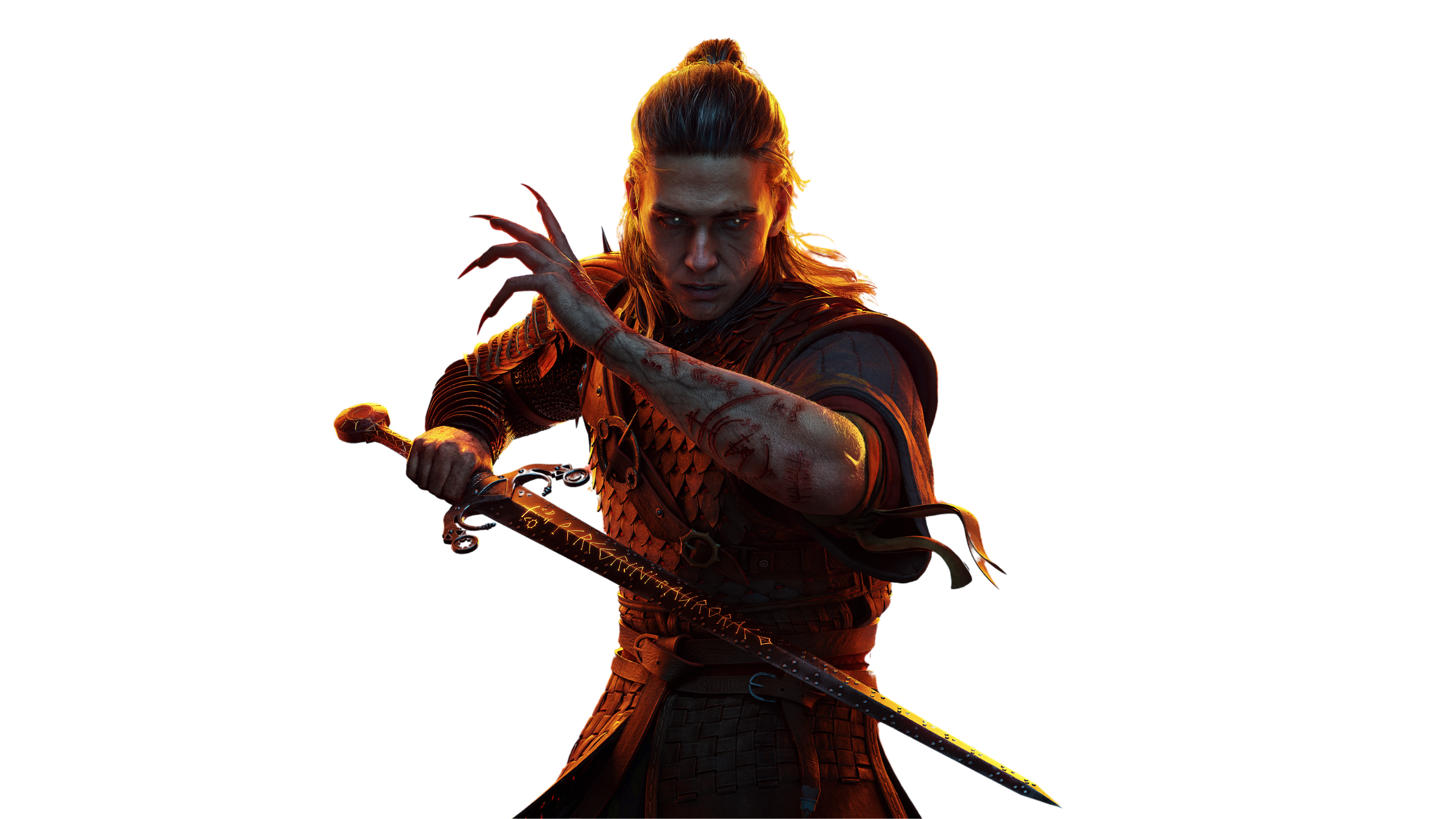
“There is not going to be any GenAI art in Divinity,” Larian CEO Swen Vincke staunchly declared during a Reddit AMA. “We’ve decided to refrain from using genAI tools during concept art development. That way there can be no discussion about the origin of the art.”
Jason Kingsley, co-founder and CEO of Rebellion, shared similar sentiments. “We have no plans to ever use generative AI on the screen. This isn’t what we think we should be doing,” he said in an interview with GameSpot, but did note that AI does have practical uses in the development process, as a means of “helping speed up iteration.”
So we reach a point of tension, one that only exists at the two extremes of the debate: Are you AI all-in or all-out? As always, the answer should be more nuanced.
As seen by community responses to company statements, use of gen-AI where it is seen as a replacement for people, or as a shortcut to creative content, is immediately and strongly rejected. In the rush to celebrate the technology, we’ve seen companies misstep by not putting their people at the forefront of the innovations.
Where studios have been able to have the AI conversation without strong community backlash has been in two ways: first and most importantly, is making it clear that AI is not a substitute for talent, and secondly it is used to inform creative, rather than generate it. If studios and publishers can present AI as an assistant that handles the tasks that get in the way of creativity, then the audience at large is more willing to adopt, just as many are using AI in their daily lives to research topics or pull together notes from meetings.
For full transparency, I used Copilot to research this article, but crucially, I’ve written it. AI didn’t replace the work I did, it allowed me to start working sooner, and that currently feels like the sweet spot. AI needs to allow people to do more of the things that they’re good at.
We’re still in the very early stages of AI, and seeing positive signals from many industry leaders that the early rush to wholeheartedly adopt is being countered with more tactical use cases.
The lesson for the industry, as always seems to be the case, is that the latest technologies need to fit into your current setup, not replace it. More importantly, technology cannot replace the people using it. It’s great having 10,000 songs in my Spotify playlist, but you can’t beat the sound of vinyl…
Follow Bastion on LinkedIn or subscribe to our Weekly News Digest.
























.webp)
.webp)
.webp)
.webp)



.webp)
.webp)
.webp)
.webp)
.webp)









© 2024 Bastion. All rights reserved. Privacy Policy
north