

June 29, 2026
I'm not buying a Steam Machine, but I'm still excited
Will Guyatt, Tech Journalist & Broadcaster
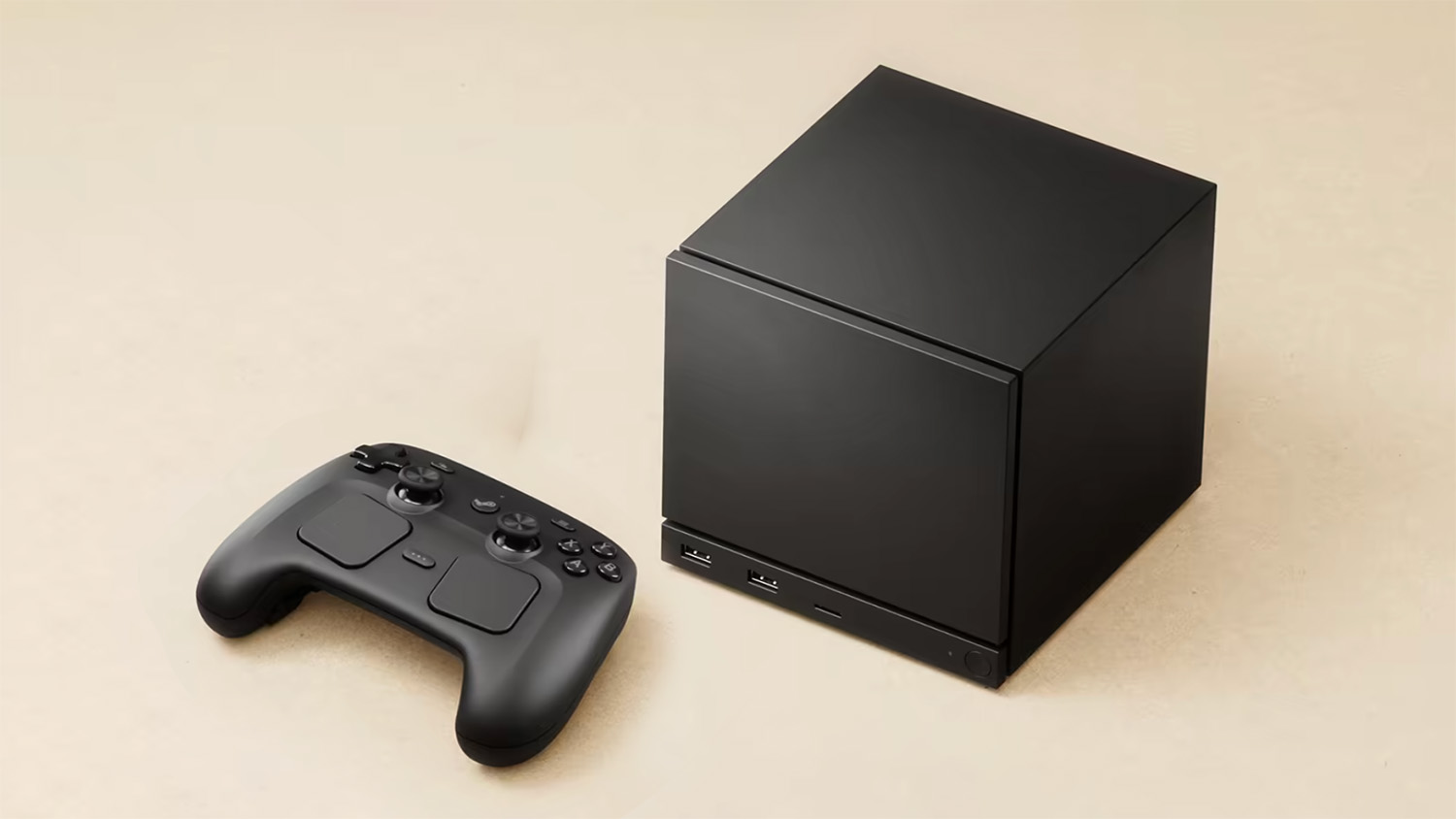
I’ve been all in on the idea of the living room PC for around a quarter of a century, and the reality has almost caught up. Knowing that Valve would never screw up a second chance at building a system specifically for the ‘big screen’, the Steam Machine has been top of my list since before it was officially announced. Now we finally have prices ahead of launch, you could say much of my enthusiasm has evaporated.
By the time you read this, the first batch will have been allocated. £879 will get you the base Steam Machine. Fancy a 2TB system with the snazzy new Steam Controller? You’re already north of £1,200, around double what the original rumours suggested we should have been budgeting for.
In fairness to Valve - this doesn’t feel like greed, or gouging consumers to fuel the boss’s latest £600m superyacht. The global RAM and SSD shortage kicked off by the AI gold rush has seen memory prices quadruple since the Steam Machine was first announced a little over six months ago. The company has rather admirably admitted that pricing is out of its control and beyond where it wanted to price the system. Having already raised the price of its now geriatric Steam Deck handheld by 45% in the last few weeks due to component costs, you have to wonder whether a more traditional hardware business may have paused a new product launch due to these damaging price increases.
See also: Case Studies
Valve has always known a chunk of its loyal audience would buy a Steam Machine. But at this price, it’s unlikely to become any home’s first entry into the Steam ecosystem. The whole point of this device was the creation of an easy-to-use system that requires none of the insane faff of Windows, plus access to the massive Steam library - it was meant to be a generational Trojan horse, a bit like the Amazon Echo and Alexa. Something that reads you the news and can make a fart noise for the kids, but created for the sole purpose of selling you more stuff.
.png)
With the Steam Machine currently costing more than a comparable PlayStation or Xbox, it feels less like a friendly little cube for gamers with no interest in complicated PC hardware, especially when other cheaper and faster pre-built PCs are available. Early Steam Machine reviews show that some recent triple-A releases are struggling to run on the system, with the expectation that optimisation can only do so much to improve that.
Forever the optimist, while I won’t be buying a Steam Machine day one, I can’t stay grumpy for long - its existence is still undeniably welcome, especially if you’re someone with a large Steam library. It’s a highly customisable box with hardware specifically designed to ensure it works perfectly on your big screen. Thanks to Valve there should be no more ferreting around the back to unplug HDMI leads or wrestling with an uncompromising TV that won’t wake up from sleep to display your game - factors that have hampered my front room enjoyment for decades.
At this price though, the Steam Machine is a brilliant toy for the believers, and not a mainstream marvel that many of us hoped for. The dream’s not dead yet though, it’s probably just buffering or something. As I’ve long believed, good stuff is worth the wait.
Back to Insights
When should I hire a video game marketing agency?
The strongest results come when strategy begins early.
Video game studios often seek marketing support close to launch, when in reality, positioning should begin while you're just getting started with planning. This allows for support across each key phase, from early development milestones, vertical slice, funding rounds, publisher discussions or announcement planning.
Engaging Bastion early allows us to:
• Define clear brand foundations
• Shape announcement strategy
• Align messaging across stakeholders
• Build momentum well before launch
Marketing should evolve alongside development — not react to it.
Follow Bastion on LinkedIn or subscribe to our Weekly News Digest.










































.webp)
.webp)
.webp)
.webp)




.webp)
.webp)
.webp)

.webp)
.webp)












© 2024 Bastion. All rights reserved. Privacy Policy
north