

January 30, 2026
MMO Gold
by Will Guyatt, Tech Journalist and Broadcaster
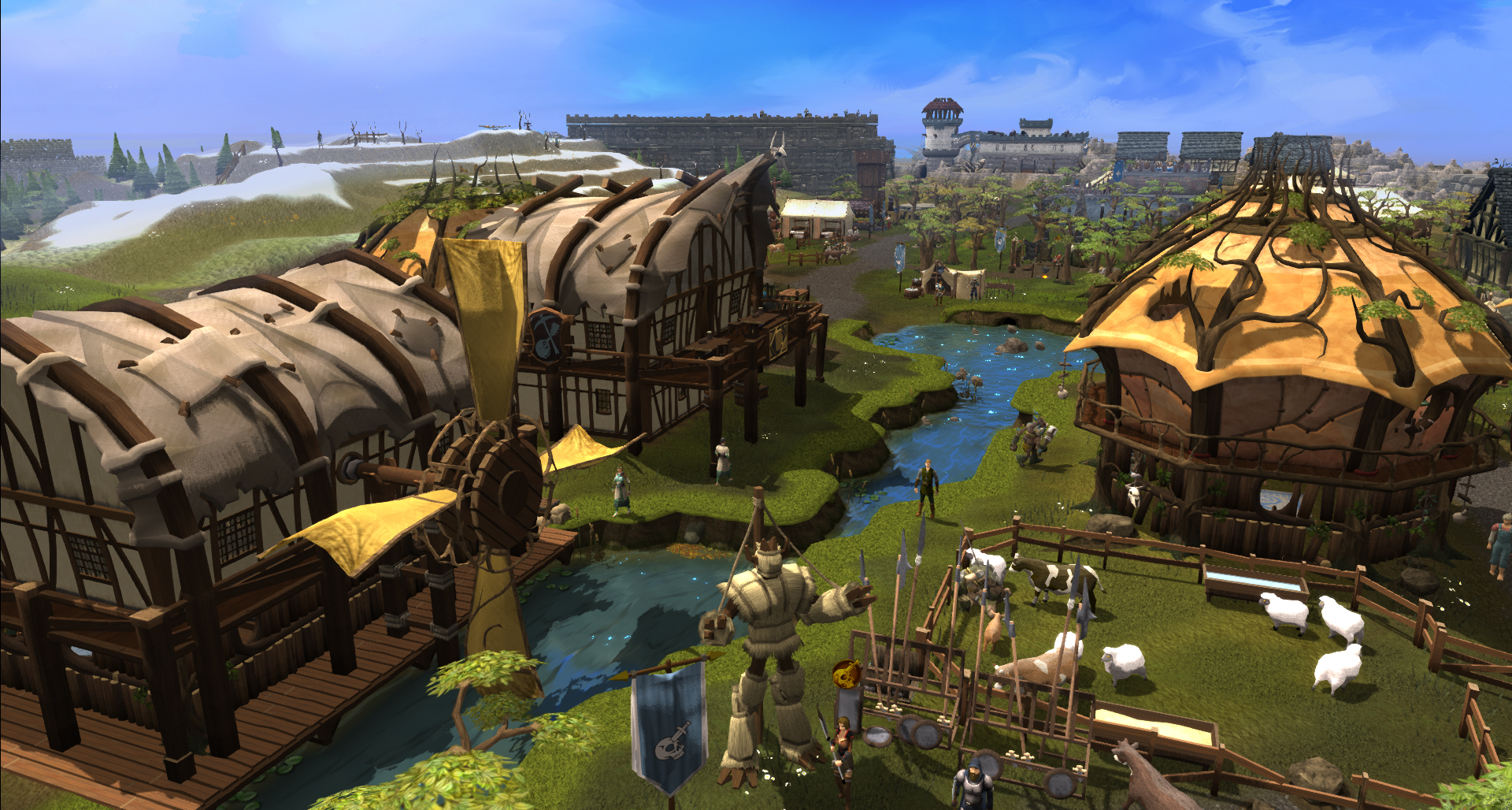
The world’s a pretty confusing place at the best of times right now - but having spent a week arguing with the supporters of an AI generated meme on X, I found the result of a random legal case delivered last week in London taking up what was left of my brain.
The decision that stealing in-game currency in Runescape now legally satisfies the definition of criminal theft is likely to bring a growing number of legal similarities between what goes on in game and the real world.
This will probably have far-reaching implications for the games industry - and will likely play around with a lot of what we’ve previously taken for granted.
A former Jagex developer was said to have drained the in-game accounts of around 70 Runescape gamers by taking around 705bn Gold. This Gold ended up with a real world value of almost half a million quid, which was realised by trading the currency on the grey-market, which was then converted into Bitcoin, presumably in an effort to squirrel it away.

It took several years for courts to decide whether this was actually theft - and until a trip to the Court of Appeal - it looked like the case would never get to be heard, because the initial judge said that because the currency wasn’t real - it couldn’t technically be stolen. Behind the concept of ownership and theft, there are literally hundreds of pages of legal precedent and case law. The Court of Appeal declared that because the in-game currency had both value in the game and in the real world, it existed as an “identifiable asset” which could indeed be stolen.
The long story short is that the case against this developer will now be heard in court - despite the fact this initial ruling has generated way more questions than answers. We still don’t know whether this could now be applied to those selling in-game currency on the grey market? And if that’s the case, what does EA make of continued third party FUT coin trading - could this possibly be deemed theft in the eyes of the law? The more you look at this, things could get messier before there’s clarity.

And it doesn’t end there - because as anyone who has experience of spending days of court, or responding to legal issues - a landmark decision like this one will almost certainly encourage others to test adjacent legal precedents - no matter how established. If the perceived definition of in-game theft is over-turned, is it worth having a crack at murder in MMOs - particularly if the death of an in-game character honed and built over time, is classified as loss. Yes - I understand the bonkers nature of my last statement, but it’s only bonkers until a judge says it isn’t.
Buckle up - things could get weird, and that’s before someone properly challenges whether you legally own the games you download. Terms and conditions? Just a frame of mind.
Follow Bastion on LinkedIn or subscribe to our Weekly News Digest.



































.webp)
.webp)
.webp)
.webp)


.webp)
.webp)
.webp)
.webp)
.webp)












© 2024 Bastion. All rights reserved. Privacy Policy
north